
How Do Circuit Board Benefit Medical Devices?
Circuit Board
A circuit board is a flat piece of material that holds and connects electronic components using conductive pathways. The boards enable the functioning of electronic devices, including medical equipment and diagnostic tools.
These days, PCBs are used in a wide range of medical devices that improve patient health and well-being. They can help monitor a patient’s vital signs, including blood pressure, heart rate, and temperature. They also help doctors diagnose diseases and determine the most effective treatments.
As such, the circuit board that power these medical devices must be designed and manufactured to strict standards. This includes adhering to a variety of industry regulations and ensuring that the components are able to withstand environmental conditions, such as high humidity or temperature.
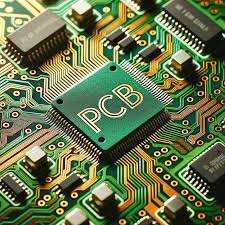
How Do Circuit Board Benefit Medical Devices?
The use of PCBs in medical devices allows for more compact products, reducing the amount of space needed for assembly. This can make a significant difference in the cost of production. Additionally, it can allow manufacturers to include more components in a smaller space. For example, a medical device may require a battery, sensor, radio, and other components. Rather than using long wires to connect these components, medical-grade PCBs utilize surface-mount technology (SMT), which uses small solder bumps on the ends of component leads. This is a more reliable and efficient method of connecting components to a circuit board than traditional wires or cables.
In addition, medical-grade PCBs must comply with stringent EMI/EMC specifications. This ensures that any signals transmitted between components are free from interference and do not interfere with the operation of other devices. EMI/EMC issues can be caused by a number of factors, including improper layout or routing, unfiltered copper, and poor grounding.
Medical PCBs must also be able to resist a variety of contaminants. For example, they must be able to withstand disinfection methods that involve the use of ozone. This is a crucial factor in ensuring that medical-grade devices can be safely used in clinical settings.
Another important requirement for medical PCBs is their ability to withstand vibrations. This is especially important for medical imaging systems that are used to diagnose and treat patients. For this reason, medical-grade PCBs are often made of dielectric composite materials such as FR-4. These materials are a combination of a resin matrix and reinforcement, such as fiberglass or nonwoven fabric.
Medical-grade PCBs must also be able to handle high temperatures, which can occur during the manufacturing process. In addition, they must be able to withstand repeated exposure to UV radiation and electromagnetic fields. In order to meet these requirements, it is critical that manufacturers use a trusted PCB manufacturer with experience producing medical-grade boards. By choosing a trusted partner, you can rest assured that your medical-grade PCBs will be able to perform as expected and help improve the quality of patient care.