

Best Dodge Charger Model Years For Reliability
Since this iconic muscle car name was revived in the mid-2000s, the Dodge Charger has been a crucial product that revitalized Dodge’s brand image and reignited a cult following for the ‘Mopar’ crowd. Transitioning away from its two-door coupe predecessor into a four-door sedan to compete against rivals in this segment from Europe and Japan, the Charger stood out with its bold styling and potent engine choices to go with its rear-wheel-drive chassis.
Dodge
Like many automakers, Dodge evolved from being a machine shop that supplied parts and assemblies in the early 1900s to a fully-fledged automaker. The Dodge brothers started building cars in 1914 under the ‘Dodge Brothers’ brand – the company was sold to Chrysler in 1928, originally producing trucks, full-sized passenger cars and compact cars. These days, the brand is known for performance cars like the iconic Charger and Challenger, sold under the Stellantis banner.
- Founded
-
December 14, 1900
- Founder
-
John Francis Dodge & Horace Elgin Dodge
- Headquarters
-
Auburn Hills, Michigan, U.S.A
- Owned By
-
Stellantis North America
- Current CEO
-
Carlos Tavares
Though this modern-day muscle car may be very alluring in power and performance, how does it stack up when it comes to overall reliability? To answer this, we took a closer look at what the best years for the Dodge Charger are when it comes to overall reliability, while highlighting the worst Dodge Charger years.
Reliability data has been sourced from the NHTSA. Recalls and complaints listed, as well as feedback from consumer surveys, have been taken into account. Authoritative sources are listed at the end of the article.
Dodge Charger: History And Generations Overview
Sixth-Generation Charger
The revived Dodge Charger first debuted for the 2006 model year, after a twenty-year absence from the market. This reincarnation of Dodge’s famous muscle car rode on a rear-wheel-drive chassis shared with the Chrysler 300C, which also utilized several components from the Mercedes-Benz E-Class (a carryover from the brands’ former union with DaimlerBenz, aka DaimlerChrysler). Dodge launched this four-door sedan ‘Charger’ to reintroduce its muscle car lineup into the modern era and replace its aging Dodge Intrepid midsize sedan, ensuring it can remain competitive in the midsize sedan segment.
Power options included a 2.7L and 3.5L naturally-aspirated V6, up to 5.7L-6.1L HEMI V8s. Chargers equipped with traditional V8 engines made up the majority of the model lineup, especially the R/T and SRT8 models at the top end. Whether V6 or V8, all came paired with an automatic transmission, sending power to the rear wheels or, for the first time in a Charger model, all four wheels.
Seventh-Generation Charger
For the 2011 model year, the Charger underwent a major refresh as it entered its seventh generation (also known as the LD-generation). It now featured a new body design that updated the Charger’s appearance on the outside, in addition to a redesigned cabin for the inside, with more up-to-date amenities such as the brand’s ‘UConnect’ touchscreen infotainment system. Dodge’s 3.6L Pentastar-series V6 also replaced the 2.7L and 3.5L units, joining the big-displacement 5.7L and 6.4L V8 engines.
An update to the seventh-generation Chargers for the 2015 model year onwards made further changes to the exterior and interior appearance. In addition, the eight-speed automatic was now the only transmission across the entire model range and all-wheel drive was no longer available on V8 models. Notably to the favor of Mopar enthusiasts, the refresh introduced the ‘Hellcat’ model name to the Charger model range, which brought the supercharged HEMI V8 engine capable of up to 707 hp. Later model years would also introduce even more powerful and faster Hellcat spin-offs – ranging from the Charger Hellcat Redeye and Jailbreak variants, to the limited production ‘Last Call’ models, which are some of the final Charger models to feature the HEMI V8.
Multiple special edition models were also launched throughout both generations’ production run, largely inspired by Dodge’s muscle car history. These include the following:
The end of production of the LD-generation Chargers in 2023 not only signified the end of the LX-platform Chargers, but also the end of the Hemi V8 being utilized in the Charger, as the engine itself was due for retirement. Dodge has announced a successor that will utilize an all-new platform. It will initially be available in two forms – the Charger SIXPACK, featuring Dodge’s Hurricane twin-turbocharged inline-six, and an all-electric variant, known as the ‘Charger Daytona’.
|
Dodge Charger (6th And 7th Gen) Key Specs |
||||
|---|---|---|---|---|
|
Generation |
Model Years |
Engine Options |
Transmissions |
Key Features |
|
6th Generation (LX) |
2006-2008 |
2.7L V6, 3.5L V6, 5.7L, V8, 6.1L V8 |
4- and 5-speed automatic |
|
|
6th Generation (LX Facelift) |
2009-2010 |
2.7L V6, 3.5L V6, 5.7L V8, 6.1L V8 |
4- and 5-speed automatic |
|
|
7th Generation (LD) |
2011-2014 |
3.6L V6, 5.7L V8, 6.4L V8 |
5- and 8-speed automatic |
|
|
7th Generation (LD Facelift) |
2015-2023 |
3.6L V6, 5.7L V8, 6.4L V8, 6.2L supercharged V8 |
8-speed automatic |
|
Since reliability data for older Dodge Charger models is limited, this piece focuses on the sixth and seventh generations of the Dodge Charger sedan exclusively, with the former first being introduced for the 2006 model year. We have also excluded 2022 model year Charger sedans and newer, since these haven’t been around for long enough to accurately assess their reliability. While the Dodge Charger’s pursuit model is mentioned in our generation overview, our analysis of the best and worst Charger model years focuses specifically on the civilian models. Consumer complaints/recalls submitted via Car Complaints and the NHTSA have been analyzed to determine the best and worst Charger model years.

Related
Dodge Charger Generations: Everything You Need To Know In One Place
For years, the Charger was Dodge’s big and roomy sedan, but with a mean streak added in the form of ballistic high-performance V8 versions.
The Best Dodge Charger Model Years
As more examples of Dodge’s four-door muscle car become more affordable in the secondhand market, the opportunity to enter the world of Mopar becomes ever more attractive for fans of a traditional big body, rear-wheel-drive American sedan. If your heart is set on buying one, we recommend these Dodge Chargers as the best years to focus on, based on data available about recalls issued and complaints from owners.
We recommend doing as much due diligence as possible when shopping for a secondhand Charger, even among those that tout relatively low mileage or claim to have a legitimate, comprehensive service history. This could extend to having a pre-purchase inspection performed by a qualified service technician or mechanic, allowing you to get as much transparency about the state of the car you intend to purchase.
2009 Dodge Charger (LX Generation)

For those on a strict budget who want to step into four-door muscle car ownership, the 2009 Dodge Charger is one of the best years to buy among the first-generation Charger models; it’s on the lower end of complaints and recalls reported. A recall affecting both driver and front passenger airbag inflators was issued for this model year, largely over degradation of the original units due to temperature and heat exposure overtime, so it is worthwhile to ensure this has been done.
But being some of the later examples of the first-generation Chargers means the majority benefit from having had common issues or faults reported among earlier models resolved. In addition to better quality control, the 2009 Chargers benefit from the midlife update that brought slight changes to the front design and a small power increase for the Charger R/T models.

Related
10 Affordable Used V8 Cars That Won’t Let You Down
Just because you want some V8 power doesn’t mean you have to empty your life savings to get it.
2017 Dodge Charger (LD Generation Facelift)
Those targeting a facelifted seventh-generation Dodge Charger should aim for the 2017 models, as these are some of the best years for the Dodge Charger, as they report the lowest number of overall complaints and issued manufacturer recalls.
Some issues reported for these Charger model years include the UConnect infotainment system display not functioning, and the rare case of the cruise control not disengaging. All-wheel-drive models also had a recall issued for front driveshaft bolts that could be loose. But when it comes to the issues related to engine failure that tends to plague this generation, these models seem to not be as greatly affected.

Add CarBuzz to your Google News feed.
2019 Dodge Charger (LD Generation Facelift)
We also recommend the 2019 Dodge Chargers of the seventh-generation post-facelift era are also some of the best years for Charger models in terms of reliability. This is especially true if you are eyeing one of the top performance-focused models made towards the generation’s final years, from the HEMI-equipped variants to the insanely quick SRT Hellcat models.
These 2019 models also record on the very low end of issued recalls based on the latest NHTSA data. A few examples may require a fix for an incompatible front wheel and brake package previously installed, along with some warnings that the instrument cluster is not illuminating properly. But regarding very serious mechanical dangers, these Chargers have escaped most of them.

Related
Best Dodge Durango Model Years For Reliability
Just how reliable is Dodge’s aging Durango, and which model years stand out as the best to buy in 2024 and beyond?
Dodge Charger Model Years To Avoid
Being a Stellantis brand umbrella product, unfortunately, a fair number of Dodge Chargers have also experienced several issues. Looking through resources such as Car Complaints, the NHTSA, and owners’ forums, we narrowed down these specific model years of the Dodge Charger to avoid due to high number of complaints and recalls.
Below are just a few of the common issues affecting certain Charger model years.
Commonly Reported Issues
- Premature Engine Failure
- Interior door panels/trim warping (peeling)
- Interior accessories problems
- Safety restraint system problems
- Power Distribution Centre Overheating
2006 Dodge Charger (LX Generation)
If you are aiming for a first-generation Dodge Charger, avoid the very first examples made in 2006, as they report the highest number of overall complaints from owners. Car Complaints also reports that many experience premature engine failure or the V6/V8 engines fail altogether, requiring the engine to be replaced if owners wish to keep them on the road.
The 2006 Dodge Charger has the most overall complaints, and we also rate 2006 as the worst model year ranked on several factors such as repair cost & average mileage when problems occur. The most-reported problem is also with the 2006 Dodge Charger for premature engine failure.
Adding to this, the interiors of the cheapest examples are showing their signs of age – as years of hard use have meant they have seen better days, especially among the interior trim and plastics. Some owners report the dashboard can crack due to heat exposure and the material being very brittle. While being the first iteration of the revived muscle car nameplate may have been a selling factor at the time, being some of the oldest examples is also a significant downside to factor in.

Related
The Chrysler LX Platform Is Dead: Here Are The Icons It Underpinned
Pour one out for the Chrysler LX platform and the epic cars it created.
2012 Dodge Charger (LD Generation)

Among examples of the Dodge Charger LD-generation, the 2012 model year is one we would avoid at all costs. 2012 Chargers have the most number of recalls and overall complaints combined, according to the most recent data from NHTSA and Car Complaints. A major recall was issued over its power distribution center, which could overheat and result in anti-lock brakes/electronic stability control functions not working. Additionally, recalls were issues over alternator failure and faulty airbag inflators.
Chrysler is recalling certain model year 2011 and 2012 300 and Dodge Charger vehicles. These vehicles may lose ABS/ESC system function due to an overheated power distribution center.
We would also avoid any Charger models of this year equipped with the infamous ‘monostable’ gear selector that was installed on Dodge, Chrysler, and Jeep products during this period. This has been subject to multiple complaints by users, an NHTSA investigation, and was even implicated as the cause of the accidental death of actor Anton Yelchin. The design and operation of this unique gear shifter left many to believe their car is in ‘Park’ when it may actually be in ‘Drive’ or ‘Neutral’ gear, increasing chances of the vehicle rolling away when the driver steps out, causing injury or death.
FCA/Stellantis prioritized a mass recall at the time that included a software update to automatically engage the parking brake if the doors were opened when any gear other than ‘Park’ was not engaged, but the fact some 2012 Chargers may have this problematic gear selector, recall fix or not, is a risk you should not take. If you are aiming to buy a seventh-generation Charger, go for one that has a traditional automatic gear shifter and shift gate, for peace of mind.
Certain 2012 to 2014 Dodge Charger and Chrysler 300 vehicles are equipped with an 8-speed transmission and a monostable gear selector… Drivers erroneously concluding that their vehicle’s transmission is in the PARK position may be struck by the vehicle and injured if they attempt to exit the vehicle while the engine is running and the parking brake is not engaged.

Related
Stellantis Stakes Its Claim As The Recall King Of 2024
We hope these recurring quality issues get resolved as soon as possible.
Summary: A Mostly Solid Old-School Sedan
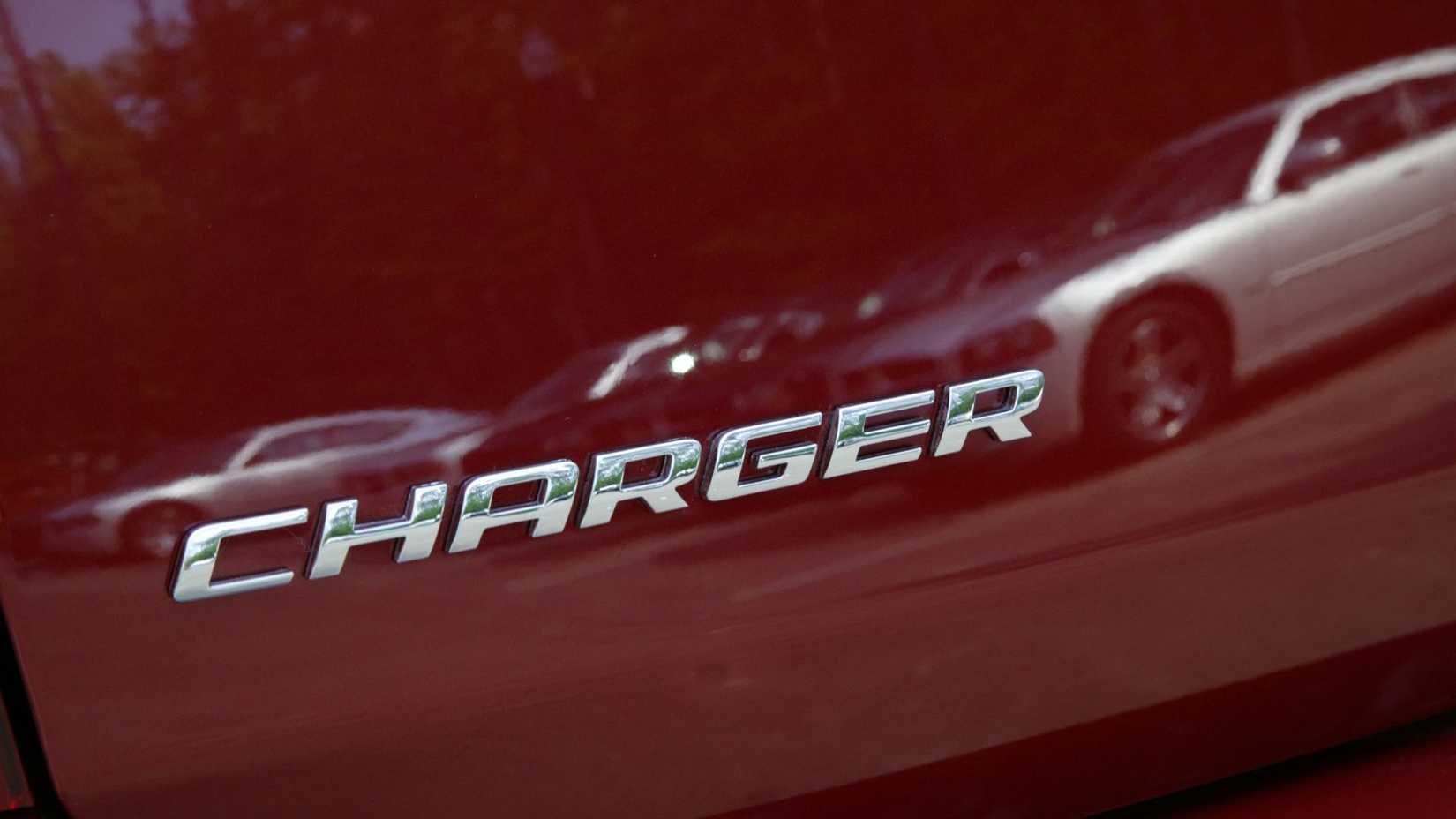
The Dodge Charger recipe is not for everyone, but for those who want a four-door sedan from a recognizable American Muscle car brand, the Charger makes for an interesting alternative to other choices from European and Japanese brands. As the Charger undergoes a complete transformation into a new form miles from its earlier incarnation, Chargers with V8 power will be harder to come by.
That being said, buyers should still take precautions when shopping around, given the build quality issues that are known to affect Stellantis products. Aiming for a late model Charger from its first or second generations is our recommendation, as these have a better chance of experiencing a low number of complaints and manufacturer recalls. We’d also recommend targeting one that has little to no modifications, as rear-wheel drive cars at a very affordable price point can paint some sketchy ownership histories if due diligence is not done.
Sources: Stellantis, NHTSA, CarComplaints.com