
Factors Affecting the Cost of PCB Fabrication Assembly
Cost of PCB Fabrication Assembly
When it comes to pcb fabrication assembly, many factors can affect the cost. The key is finding a vendor who can meet your project goals while providing transparent and competitive pricing. This includes clear communication of the process and associated costs, quality products, reliable support, and a collaborative working relationship.
Rigid pcb fabrication assembly tend to have lower manufacturing and assembly costs than their flexible counterparts. However, they also have limited flexibility and adaptability. For more complex projects, you may need to consider a hybrid rigid-flex PCB. These can help you maximize your design with the benefits of flex circuits without incurring additional expense.
Among the most important factors for rigid PCB fabrication cost is the size of your board and number of layers. Increasing the layer count will increase your overall manufacturing costs due to the need for more complex lamination and routing processes. Similarly, reducing the board size will decrease your overall cost because it will reduce material and labor costs.
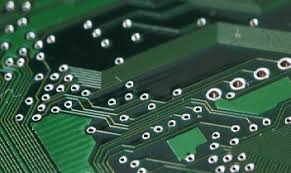
Factors Affecting the Cost of PCB Fabrication Assembly
Another factor is the type of components used in your circuit board. Surface mount devices (SMDs) are typically more cost-effective than through-hole components, but advanced packaging technologies like ball grid arrays (BGAs) require specialized equipment and assembly techniques that can drive up the price of your circuit board.
The number of holes on your circuit board will also affect its cost. For example, a large number of small holes will make the board more expensive because they will take up more space and require higher-cost drilling tools. Additionally, the cost of drilling holes with a smaller diameter increases as well because they are more difficult to handle.
A buried via is one of the most expensive elements of your PCB because it involves creating an entire new hole in the board and routing it to a component. A blind via, on the other hand, is less costly because it only requires a small opening in the board.
Testing and compliance requirements can drive up your pcb fabrication assembly cost. These include functional tests and quality checks to ensure your circuit board meets its intended performance criteria. Additionally, if your board requires any special handling or shipping requirements, those costs will also add to your final assembly quote.
In addition, the time it takes to perform your assembly can impact your overall pcb fabrication cost. A shorter turnaround will increase your assembly cost because manufacturers must prioritize your order and possibly delay production on other orders to complete yours. Additionally, expedited shipping will increase your assembly cost because it requires the manufacturer to pay for priority handling and transportation.
Ultimately, the best way to keep your PCB assembly costs down is to select the right materials and assembly technology for your project. A rigid PCB will generally have lower assembly costs than a hybrid rigid-flex PCB, and buying in bulk will decrease per-unit costs due to the economies of scale. In addition, choosing a trusted PCB supplier that provides a comprehensive array of services will also minimize your assembly and manufacturing costs.