
How do circuit boards impact device performance?
circuit boards impact device performance
Circuit boards are fundamental components in virtually all electronic devices, serving as the foundation for connecting various electronic components and facilitating their interactions. The design, material, and configuration of circuit boards play a significant role in determining the overall performance of electronic devices. Understanding how circuit boards impact device performance is essential for engineers and manufacturers seeking to optimize functionality and efficiency in their products.
One of the most critical ways circuit boards affect device performance is through signal integrity and transmission speed. The quality of the circuit board design directly influences how signals travel through the board. Factors such as trace width, spacing, and routing techniques determine the amount of electrical resistance and capacitance present. Poorly designed circuits can lead to issues like crosstalk, where signals interfere with one another, causing data loss or corruption. In high-speed applications, such as telecommunications and data processing, maintaining signal integrity is paramount. circuit board designed with appropriate impedance control and minimized trace lengths can significantly enhance transmission speeds and overall performance.
Circuit boards also impact device performance through thermal management. Electronic components generate heat during operation, and if this heat is not effectively dissipated, it can lead to overheating and component failure. The choice of materials used in circuit board construction can affect thermal conductivity. For instance, using materials with high thermal conductivity can help dissipate heat more efficiently. Additionally, circuit board design can incorporate thermal vias, heat sinks, or copper planes to facilitate better heat distribution. Proper thermal management not only enhances the reliability of individual components but also contributes to the overall longevity and stability of the device.
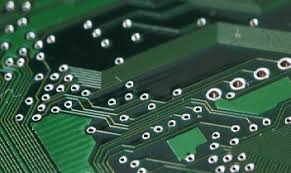
How do circuit boards impact device performance?
The size and form factor of circuit boards can also influence device performance. In modern electronics, particularly in mobile and wearable devices, there is a strong demand for compact designs. Smaller circuit boards can reduce the overall size of a device, making it more portable and user-friendly. However, this miniaturization can also introduce challenges, such as increased density of components, which can lead to signal interference and thermal issues. A well-designed circuit board can optimize space without compromising performance, allowing for the integration of more features while maintaining efficiency.
The reliability and durability of circuit boards directly impact device performance over time. High-quality materials and robust manufacturing processes contribute to the longevity of circuit boards. For instance, the use of FR-4 fiberglass material is common due to its excellent electrical properties and durability. Circuit boards that withstand environmental stresses, such as temperature fluctuations, humidity, and mechanical vibrations, will perform consistently over their lifespan. Poorly constructed circuit boards may lead to failures, resulting in device malfunctions and costly repairs. Reliability is particularly crucial in critical applications, such as medical devices and aerospace technologies, where performance cannot be compromised.
With the advent of advanced technologies such as the Internet of Things (IoT), artificial intelligence (AI), and 5G connectivity, circuit boards have become even more integral to device performance. These technologies often require sophisticated circuitry to handle increased data processing and communication demands. Multilayer circuit boards, for example, can accommodate complex routing and connections necessary for these applications while minimizing space and enhancing performance. The ability to integrate various functions onto a single board can streamline designs and improve device efficiency.
Finally, circuit boards can influence device performance through cost efficiency and production speed. Efficient circuit board designs can reduce manufacturing costs and time, enabling quicker time-to-market for new products. A well-designed circuit board not only optimizes performance but also supports scalability in production, allowing manufacturers to meet market demands effectively. The balance between performance and cost is crucial, particularly in competitive markets where price sensitivity is high.