
How Does HGV Fleet Insurance Differ from Standard Vehicle Insurance?
HGV Fleet Insurance Differ from Standard Vehicle Insurance
HGV fleet insurance is designed specifically for businesses that operate a fleet of heavy goods vehicles (HGVs), and it differs significantly from standard vehicle insurance in terms of coverage, cost, and requirements. Standard vehicle insurance typically covers personal vehicles or smaller commercial vehicles, while HGV fleet insurance is tailored to the unique needs of larger commercial operations that rely on transporting goods over long distances. One of the primary differences is the scale of coverage—HGV fleet insurance is intended to cover multiple vehicles under a single policy, which can be more efficient and cost-effective for businesses that own or lease several vehicles. This is a significant advantage for operators who need to insure a fleet, as it saves the administrative burden of managing separate policies for each vehicle.
Over time, the market for HGV fleet insurance has become increasingly competitive, with many new insurers entering the space. This has created more options for businesses to consider, making it possible to shop around and compare quotes to find the most cost-effective solutions. To get the best deal on HGV FLEET INSURANCE, it is advisable to compare as many quotes as possible. Insurance brokers often have access to multiple providers and can negotiate on behalf of the business to secure better rates. A well-negotiated deal can help companies avoid overspending on insurance while ensuring adequate protection for their vehicles and drivers.
When a business is just starting out in the transport and haulage industry, a detailed business plan and cash flow forecast are essential. This planning will highlight the need for a balanced approach to insurance, ensuring that the business can stay protected without overspending on premiums. It is also crucial to keep a good track record with insurers by maintaining a clean driving history and avoiding claims whenever possible. A no-claims bonus can significantly reduce premiums over time, making it easier to manage insurance costs as the business grows. By focusing on both operational efficiency and insurance savings, new business owners can avoid unexpected financial burdens.
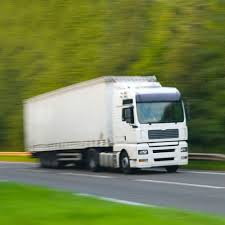
How Does HGV Fleet Insurance Differ from Standard Vehicle Insurance?
Another key difference between HGV fleet insurance and standard vehicle insurance is the variety of coverage options available. Standard vehicle insurance typically offers basic coverage, such as third-party liability, which is the minimum required by law. HGV fleet insurance, however, offers more specialized coverage, including comprehensive protection for vehicles, goods in transit, and even cargo liability. The level of coverage can vary based on the needs of the business. For example, operators may choose third-party coverage for lower-cost vehicles, but for high-value HGVs worth £10,000 to £15,000 or more, comprehensive cover is generally recommended. This ensures that if a vehicle is involved in a total loss, the business will be fully reimbursed for the vehicle’s value, minus the excess.
The location of the business is another factor that impacts the cost of HGV fleet insurance. The postcode in which the fleet operates can influence premiums, as urban areas with high traffic volumes and theft rates are considered higher risk than rural locations. Businesses based in cities such as London or Birmingham may face higher premiums, while those located in less densely populated areas may enjoy lower insurance costs. As a result, comparing different quotes and assessing the factors that impact premiums, including location, can help businesses secure the best rates for their fleet.
In conclusion, HGV fleet insurance is designed to meet the specific needs of businesses operating multiple commercial vehicles, offering more comprehensive coverage than standard vehicle insurance. By understanding the differences in coverage, cost factors, and the importance of comparing quotes, fleet operators can make informed decisions about their insurance. With careful planning and negotiation, businesses can reduce premiums while maintaining the necessary protection for their fleet and ensuring the smooth operation of their transportation business.