
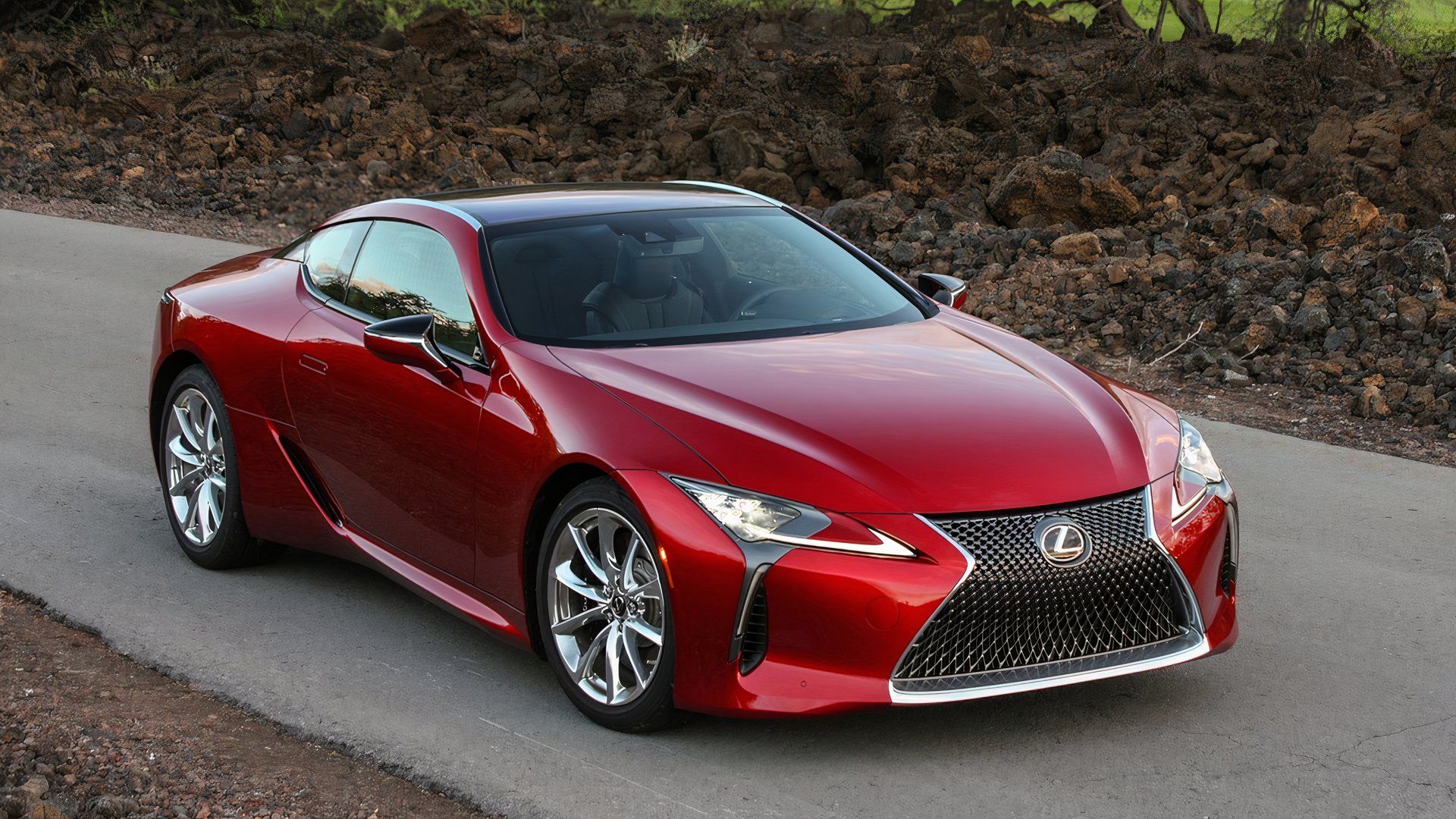
Lexus Is Finally Unlocking Handling To Rival, With Its Own “Taste”
Key Takeaways
- Lexus is focusing on improving stiffness in all models to rival German competitors in handling.
- The new upgrades are a result of steady improvements since 2018, under the direction of Toyota’s chairman.
- Lexus is not interested in copying Tesla’s driving dynamics, but rather focusing on enhancing driving joy like supercar manufacturers.
Lexus has always aimed to be on par with German rivals like BMW , Mercedes, and Audi in the handling stakes, but with the exception of a few hardcore special releases like the RC F Track Edition, that often had (admittedly characterful) make-or-break foibles, most of its products have been overlooked by keen drivers because a BMW M4 or Porsche Panamera has provided more sharpness and agility. With the introduction of Competition variants, the Audi RS5 is also a step further ahead, so what’s the key? Stiffness, as simple as that sounds.
Lexus is convinced it now has what it takes to rival the best, reports Automotive News, thanks to innovations first applied to the all-electric Lexus RZ. But don’t let that turn you off, because the upgrades are universal and are being applied to every car in the lineup. More importantly, this isn’t an overnight revelation, but a firm belief based on years of development, investment, and benchmarking against the best in the world – something that started in earnest in 2018.
“We are aiming for the same driving [flavor], no matter what Lexus model you are riding in.”
– Toshinori Ito, Lexus Project Manager for Sensitivity Performance Development
Steady Improvements Since 2018, Thanks To The Boss
Thanks to the direction of legendary Toyota Chairman Akio Toyoda – responsible for icons past and future like the LFA, GR Corolla, and more recently, the exciting GR Yaris-based LBX Morizo RR – Lexus engineers took a closer look at their competitor’s cars and found that the likes of Mercedes and its abovementioned compatriots always produced stiffer cars. To attract buyers from those marques, Lexus must rival them, but before it looked at their structures in detail, the Japanese automaker only focused its attention on stiffening the rear chassis module, thinking that might be sufficient. Engineers soon came to realize that the front structure, and both ends of the center tunnel, were equally if not more important to improving torsional rigidity, and thereby handling.
“We didn’t fully understand the four body positions. We learned about it from studying the competition. When we realized it, we wanted to add it to all Lexus models.”
– Toshinori Ito, Lexus Project Manager
Add CarBuzz to your Google News feed.
Front braces were added to the RZ before it went on sale two years ago, and then the NX crossover got them in March last year. 12 months later, the 2024 NX update saw the rear braces added. It’s a gradual rollout, but it will grow. “We confirmed it can be done across the entire lineup,” said Ito, noting that tests have already been carried out on every single vehicle in the range, including the enormous and ultra-luxurious LM van. However, the middle tunnel modules will require more extensive overhauls, but that bodes very well for future Lexus arrivals. We expect additional improvements before then.

No Interest In Tesla Driving Dynamics
Although Toyota is taking a page out of the Tesla playbook by working on a huge gigcasting project, which will also improve overall stiffness for future cars, it has no interest in copying how its EVs drive. While expressing admiration for other Tesla innovations, Ito said that Lexus cars already offer more driving joy: “With Tesla, we didn’t feel a need for catching up in driving dynamics.” Instead, Lexus is looking to supercars from the likes of Lamborghini for insights into perfecting the driving experience.
All of this is happening to help produce better Lexus and Gazoo Racing products simultaneously, and it’s happening at a sprawling facility called the Technical Center Shimoyama, which even has its own mini-Nürburgring track, along with vast testing apparatus. Importantly, for the first time, everybody working on a Lexus product is operating under one roof. That’s a lot of investment and a lot of resources spent to make cars feel sharper, but with German sports sedans like the M5 and C63 getting heavier and heavier, Lexus’ examination of the latest from Munich and Ingolstadt could help Nagoya close the gap, and perhaps even produce more engaging alternatives.

Source:
Automotive News